1
 
 
About Metal Recycling
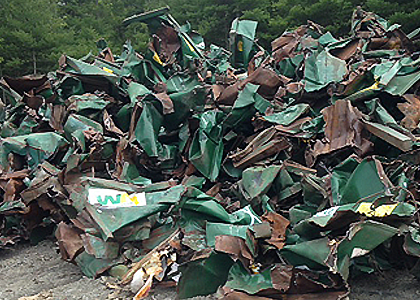
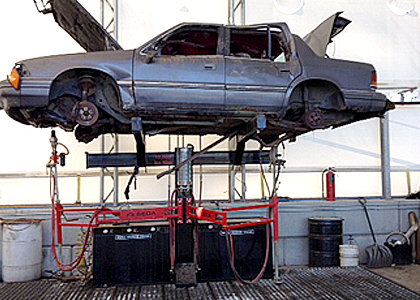
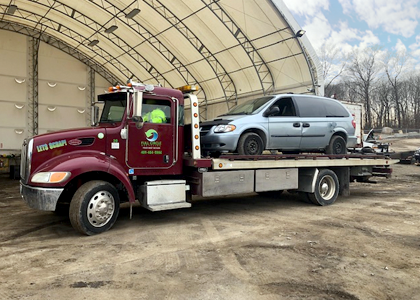
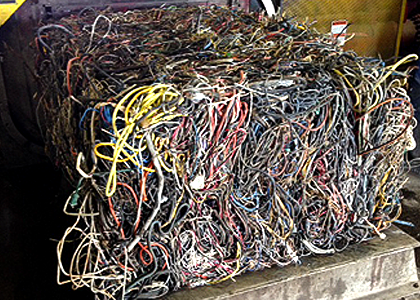
Metal Recycling: Full Circle Recycling purchases all types of scrap metal. We purchase both ferrous and non-ferrous metals. Our ferrous operations consist of cast, heavy and lite iron. All pricing is based per a gross (metric) ton. Costumers entering our facility with ferrous metals will utilize our truck scale upon entrance and then be directed to the pad area to drop off their material. Non- ferrous metals we accept include copper, insulated wire, brass, stainless steel, lead; auto batteries, aluminum, electric motors and catalytic converters, are a short list of materials we purchase. Customers entering with these materials will visit our non-ferrous building which has two peddlers’ scales set up and the area is to the right of our facility once you enter the yard. All non-ferrous materials are purchased by the pound. All pricing is market based and subject to change as the markets dictate. We pride ourselves on customer service and look forward to adding you to our list of customers in the near future.

The properties of metals provide unique benefits and advantage for their recycling. Unlike other recycled materials, such as paper and plastic, metals can be repeatedly recycled without degradation of their properties. Metals from secondary sources are just as good as metals from the primary sources. Practiced since ancient times, scrap metal recycling embodies the spirit of sustainable development. That is, "development, which meets the requirements of the present without compromising the ability of future generations to fulfill their own needs," as defined by the World Commission on Environment and Development. Recycling widens the efficient use of metals and minerals, reduces pressures on landfills and incinerators, which results in significant major energy savings compared to primary production. Some of the important categories of scrap metal recycling include -
  • Lead / Acid Battery Recycling
  • Nickel Content Battery Recycling
  • Electronic Scrap Recycling
  • Used Iron & Steel Recycling
  • Scrap Steel & Iron Recycling
  • Mill Prepared Steel Scrap Recycling
  • Railroad Scrap & Ship Breaking
  • Copper Scrap Recycling
  • Bronze and Brass Scrap Recycling
  • Aluminum Scrap Recycling
  • Zinc Scrap Recycling
  • Magnesium Scrap Recycling
  • Tin Scrap Recycling
  • Lead Scrap Recycling
  • Stainless Steel Alloy Scrap Recycling
  • Titanium Scrap Recycling
  • Tungsten Scrap Recycling
  • Exotic Metals Scrap Recycling
  • Scrap Gold Recovery
  • Silver Recovery
  • Scrap Platinum Group Metals
  • Scrap Catalytic Converter Recycling
  • Mixed Precious Metals Recycling
Industry Overview The recycling of scrap metals has been in practice since ancient times and today it has become a multi-billion dollar business across the world. The recycling companies collect the metal scrap from individuals, machine shops, manufacturers, government entities, and other industries. Scrap metal is composed of several items that include, - aluminum cans, used pipe, automobiles, appliances, sheet metal buildings, pots, computer components, pans, bicycles, lawn furniture, copper wire, obsolete equipment, old structural steel building frames, tin cans, etc. These recycled metals have found uses in the production of automobiles, structural steel, aluminum siding, and toys. According to experts, every time a ton of steel is recycled, 2500 pounds of iron ore, 1000 pounds of coal and 40 pounds of limestone are preserved. To promote scrap metal recycling and to further promote the greater awareness of the industry's role in conserving the future through recycling, government in different countries have established industry associations representing companies that process, trade and industrially consume scrap commodities.
About Plastic Recycling
Plastic Recycling: Full Circle Recycling additionally is proud to recycle an array of plastics. We accept some types free of charge and do pay for other types provided they meet specifications and there is enough volume. One of the more common types we accept for free is Mixed Rigid Plastics. Examples of these include plastic toys and play sets, plastic buckets without metal handles, plastic drums, barrels and garbage cans, milk crates lawn furniture, plastic pots and agricultural trays and plastic pallets are just some. We also accept Polypropylene, Polyethylene, Acrylic, Polycarbonate, various grades of medical plastics, plastic films, white and grey pvc (pipe must be under 3 Feet in Length), ABS and computer plastics. We encourage our customers to contact us with their questions and either drop off a sample or call and schedule a visit of your facility to discuss options available to you.

While there are many different types of plastics, not all of them can be recycled and some of those that can be recycled may not be eligible for curbside pick-up or accepted at your local recycling location. To find out which types of plastic you can recycle in your area, you'll have to contact your local municipal offices or recycling centers. Of the types of plastic that can be recycled, it is critical that they be recycled with their own kind because a small amount of the wrong type of plastic can ruin the melt. Therefore, sorting plastic is a critical part of the recycling process. To help identify and sort recyclable plastic, the American Society of Plastics Industry developed a standard code, a code used in places other than the United States as well. This code simply identifies the type of plastic used to make that object. It does not indicate whether recyclable plastic was used to make that piece, nor does it indicate whether that type of plastic can be recycled. The code, generally located on the bottom of the plastic container, consists of three arrows that cycle clockwise and create a triangle with rounded corners. Inside each triangle is a number that identifies that plastic's type. Below each triangle is a combination of letters that correspond to the identifying number located inside the triangle.
  • PET or PETE (Polyethylene terephthalate). This is one of the most frequently recycled plastics by consumers. Containers marked with a "1" include some soft drink bottles, water bottles, plastic peanut butter jars, plastic wrap, and salad dressing bottles.
  • HDPE (High-density polyethylene). This type of recyclable plastic, marked with a "2," is also frequently recycled by consumers. Plastics included in this category include some plastic milk cartons, juice bottles, shampoo bottles, and liquid detergent containers.
  • PVC (Polyvinyl chloride). This type of recyclable plastic, marked by a "3," is less commonly accepted at local recycling centers. It includes some clear food packages, liquid detergent containers, and many construction applications including some traffic cones.
  • LDPE (Low density polyethylene). Marked with a "4," this type of recyclable plastic, is used in some bread and frozen food bags, trash cans, and garbage can liners.
  • PP (Polypropylene). Another plastic commonly used in the automobile and construction industries, plastics marked with a "5" that are also recyclable include some car battery casings, oil funnels, and plastic drinking straws.
  • PS (Polystyrene). Also an uncommon consumer type of recyclable plastic, this type of plastic, marked by a "6," includes some packing foam, plastic cutlery, protective packaging for electronic goods and toys.
  • Other. Some types of plastic marked as "other" or with a "7" can not be recycled as they commonly are made with a combination of the previous six types of plastic, or with a type of plastic other than the six listed above. Containers marked with a "7" that are recyclable plastic include some 3 to 5 gallon reusable water bottles.
The best way to find out which of the seven types of plastics you can recycle is to call Full Circle Recycling, located in Johnston, Rhode Island.
About Paper Recycling
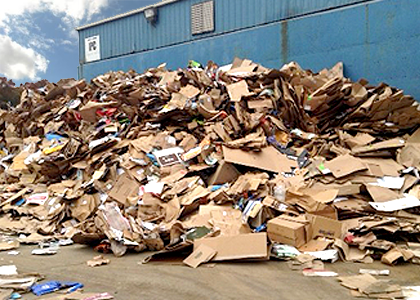
Paper Recycling: Full Circle Recycling offers recyclers a means for businesses and individuals who want to recycle their paper products a facility that accepts a variety of types. Consumers reduce the amount of waste leaving their business or home thus lowering costs and actually receive payment for their product. We pay for sorted office paper, cardboard, mix paper, books, and newspaper. We pay for these products, rates are per ton, but any amount of good product will be purchased. Our rates are market based and subject to change accordingly. We are proud to say are consumers’ consist of individuals, wide range of businesses and major print shops, and look forward to adding you to our list. For additional information please contact us at 401-464-5996.

Paper Most types of paper can be recycled. Newspapers have been recycled profitably for decades, and recycling of other paper is growing. Virgin paper pulp prices have soared in recent years prompting construction of more plants capable of using waste paper. They key to recycling is collecting large quantities of clean, well-sorted, uncontaminated and dry paper. 50% recycled paper, 35% post-consumer. Soy-based inks. It is important to know what you are buying in a paper product, for that reason virtually all paper products should be marked with the percentage and type of recycled content, as above (C). Just saying "recycled paper" is not enough. "Recycled paper" could mean anything from 100% true recycled paper to 1% re-manufactured ends of large paper rolls. "Post-consumer" means the paper that you and I return to recycling centers. From a recycling point of view, the more "post-consumer" paper the better. Soybean-based inks are gaining favor as a renewable alternative to harsh and toxic petrochemical inks. White Office Paper One of the highest grades of paper is white office paper. Acceptable are clean white sheets from the likes of laser printers and copy machines. Colored, contaminated, or lower grade paper is not acceptable. The wrappers the paper comes in are of lower grade, and not acceptable. Staples are OK. White office paper may be downgraded, and recycled with mixed paper. Corrugated Cardboard In areas that don't take cardboard from consumers, one can often drop boxes off at a supermarket or other high volume business. Contaminated cardboard, like greasy pizza boxes, is not acceptable. In some areas cardboard must be free of tape, but staples are always OK. Newspapers Newspaper is widely available and of uniform consistency, which makes it valuable. The entire newspaper including inserts acceptable, except for things like plastic, product samples and rubber bands. Newspapers may be stuffed in large brown grocery sacks, or tied with natural-fiber twine. Other brown paper bags may be mixed with newspaper. Phone books Some phone books are made with a special glue that breaks down in water, while other phone books use a glue that interferes with recycling. Printed in your phone book should be information on the source and type of paper used, the nature of the binding, and where locally phone books can be recycled (C). Note that many phone companies continue to use virgin rain forest to produce directories. In many communities phone books are only accepted during the time new directories are distributed. Waxed cartons (Milk, juice) Milk cartons are plastic laminated inside, even if they don't have a plastic spout. (C). Mixed Paper Mixed paper is a catch-all for types of paper not specifically mentioned above. Everything you can imagine from magazines to packaging is acceptable. The paper must still be clean, dry, and free of food, most plastic, wax, and other contamination. Staples are OK. Remove plastic wrap, stickers, product samples, and those pointless "membership" cards, and most junk mail can be recycled as mixed paper. Due to new technology, plastic window envelopes and staples are generally OK. Paper that can't be recycled Paper that can't be recycled as normal "mixed paper" includes: food contaminated paper, waxed paper, waxed cardboard milk & juice containers, oil soaked paper, carbon paper, sanitary products or tissues, thermal fax paper, stickers and plastic laminated paper such as fast food wrappers, juice boxes, and pet food bags. Paper with any sort of contamination or plastic layers can't be recycled. Plastic laminated paper is bad for recycling plants; such paper should be clearly marked (A).
About Our Surplus Salvage Yard
Surplus Salvage Yard: Full Circle Recycling provides its customers the opportunity to purchase materials we recovered from our scrap metal facility. Fabricators, construction Companies and antique collectors alike utilize our yard for their needs. We encourage our customers to constantly check out our page for items they need. We have a variety of I-Beam, channel, rebar and both diamond and steel plate available. We constantly receive a variety of items that interest antique collectors. We also suggest visiting our yard periodically as our inventory changes daily as new items become available.